


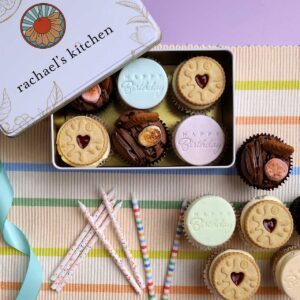

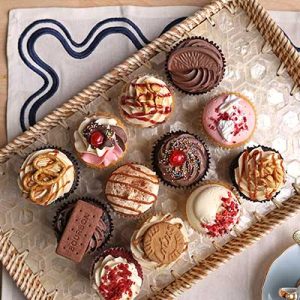
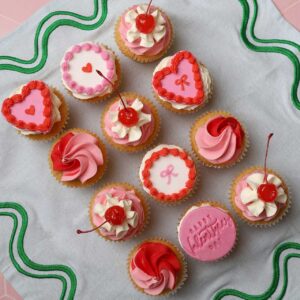

Cupcakes have become a popular alternative, or companion, to traditional wedding and bridal shower cakes because they are easy to serve, simple to portion, and flexible enough to suit almost any theme. For weddings, they can be styled to look polished and formal, arranged into tiers, or displayed as a modern dessert table. For bridal showers, they work just as well for informal gatherings, afternoon tea setups, or gift-and-games events where guests want a sweet bite without needing cutlery.
The best part is how adaptable they are. You can offer a small selection of flavours to please a mixed crowd, include free from options for guests with dietary requirements, and tailor the decoration to match everything from stationery and flowers to bridesmaid dresses. Cupcakes can also carry personalised details such as initials, dates, short messages, or subtle nods to the couple’s story, all while keeping service straightforward.
That said, cupcakes still need planning. Choosing flavours involves balancing crowd-pleasers with a few special options, and making sure allergens are handled responsibly. Design decisions affect not only the look but also logistics, from how they will be displayed to how they will travel. Delivery and setup can be smooth, but only if you consider venue rules, timings, and food safety. This guide walks through flavours, design options, portion planning, and practical UK delivery tips.
Choosing cupcake flavours for weddings and bridal showers (including dietary and allergen considerations)
When choosing cupcake flavours for a wedding or bridal shower, aim for a mix that feels special but remains broadly appealing. A common approach is to include two or three familiar options and one or two more distinctive flavours. Classic vanilla, chocolate, and lemon are popular because they suit most palates and pair well with a wide range of buttercreams and fillings. If you want something a little more “occasion” without becoming too niche, consider flavours like red velvet, carrot cake, salted caramel, or raspberry and white chocolate.
Seasonality matters in flavour perception, even if the cupcakes themselves are not strictly seasonal. Lighter flavours such as lemon, strawberry, and elderflower often feel right for spring and summer celebrations, while richer profiles such as chocolate, coffee, toffee, and spiced options can suit autumn and winter events. If your wedding breakfast or buffet is already heavy, lighter cupcakes can be a welcome finish. If the food is delicate or minimal, a richer cupcake may feel more satisfying.
Dietary and allergen planning should be treated as part of the flavour decision, not an afterthought. Guests may need gluten-free, dairy-free, egg-free, or vegan options, and some may have allergies to nuts, sesame, or soya. Free from cupcakes can be just as enjoyable when planned properly, but it helps to choose flavours that naturally suit the recipe changes. For example, chocolate and fruit-based flavours can work well for dairy-free or vegan variations. If offering nut-free cupcakes, avoid nut-based flavours entirely and be cautious with ingredients like praline, almond extracts, or chocolate containing traces.
It is also important to think about cross-contamination risk, particularly with allergens like nuts. Even if you offer a nut-free option, you should keep it separate in storage and during display, and label clearly. For weddings, a simple flavour card at the display can reduce confusion and prevent guests from needing to ask staff. For bridal showers hosted at home or a hired venue, make sure the host knows which cupcakes must be kept separate.
A final practical tip is to taste-test with purpose. Choose a frosting level that suits the setting and timing. Buttercream-heavy cupcakes can soften in warm rooms, while lighter swirls or structured frostings may hold their shape better. If you are including fillings, consider whether the cupcakes will be served quickly or sit out for a while, as filled cupcakes can be more sensitive to temperature and handling.
Design and personalisation options: colour palettes, toppers, themes and portion planning
Cupcake design works best when it is tied to a clear visual plan. Start with a colour palette taken from the celebration details: invitations, flowers, table linens, or bridesmaid outfits. A simple palette of two to three colours often looks more cohesive than many shades at once. For weddings, neutrals such as ivory, soft blush, sage, or pale blue can look timeless. For bridal showers, you can be more playful with pastel mixes, bright accents, or a single strong colour paired with white.
Decoration choices should match the formality of the event. Smooth swirls, delicate piping, and subtle finishes like sugar pearls can look refined for weddings. Bridal showers often suit more casual styling: rosettes, sprinkles in matching colours, or simple toppers. If you want a consistent look across flavours, keep frosting style and colour consistent while varying sponge flavours. Alternatively, use different designs to help guests identify flavours quickly, such as different piping patterns or a small garnish on top.
Personalised elements can be as understated or as bold as you like. Edible toppers can feature initials, the wedding date, or short messages like “Bride to be”. For weddings, monograms and small floral motifs can echo the stationery. For bridal showers, themed toppers can reflect the day’s activities such as afternoon tea, garden party, or a specific hobby. If the event has a dress code or signature cocktail, you can pull in small design references without making the cupcakes feel gimmicky.
Themes work best when they are coherent rather than literal. A “botanical” theme might mean greenery tones, floral piping, or pressed edible flowers. A “classic romance” theme might focus on soft colours, gentle textures, and minimal decoration. If you are planning a dessert table with other items, ensure the cupcakes do not visually clash. Repeating a few elements, like the same shade of ribbon on stands or matching liners, can tie everything together.
Portion planning is where cupcakes really shine, but it still needs thought. As a general guide, you can plan one cupcake per guest if cupcakes are the main dessert. If there is a full dessert course, a wedding cake, or multiple sweet options, you might plan for fewer per person. Bridal showers can be unpredictable because guests snack throughout the event, so consider whether cupcakes will be served at a specific moment or left out buffet-style.
Size also changes the numbers. Standard cupcakes are a safe choice for mixed ages and appetites. Mini cupcakes can look abundant and are ideal for grazing, but they often increase the time needed for plating and can be more delicate to transport. If you want an elegant display, tiered stands can create height, while a long, low layout can feel modern and easy to access. Make sure there is enough space for guests to approach without bumping the arrangement, especially if the venue will be busy.
Ordering and delivery: lead times, venue rules, food safety, transport and setup
Cupcakes for weddings and bridal showers are best ordered with realistic lead times. Even when the decoration looks simple, batching, baking, cooling, frosting, and packaging takes time, and peak wedding season can book up well in advance. If you have a specific date, venue, and design style, it is wise to confirm your order as soon as those details are fixed. If you are still deciding between designs, you can often finalise exact colours or toppers closer to the date, but do not assume last-minute availability for large quantities.
Venue rules can affect what is possible. Some wedding venues in the UK have guidelines on outside food, delivery times, and where items can be stored. Ask whether there is a designated delivery entrance, whether staff will accept delivery on your behalf, and whether there is a safe, cool place to hold the cupcakes before setup. You should also check whether the venue requires labelling for allergens and whether they have a cake table or stands available, or if you need to provide your own.
Food safety is particularly important with buttercream, fillings, and any dairy-based elements. Cupcakes should be kept at appropriate temperatures and out of direct sunlight or heat sources. If your venue is warm or the cupcakes will be displayed for a long period, choose designs that are stable and avoid decorations that melt or weep. If you are including fresh fruit, consider how long the cupcakes will sit out and whether the fruit will hold up visually.
Transport is where many issues arise. Cupcakes should travel in sturdy boxes designed to prevent sliding, ideally on a flat surface in the vehicle. Sudden stops and sharp turns can ruin decoration quickly, so smooth driving and secure placement matter. If you are collecting the cupcakes yourself, plan the route, avoid stacking boxes, and keep the car cool. Do not place cupcakes in the boot if it is likely to be warm or unstable. If the journey is long, allow extra time and avoid unnecessary handling on arrival.
Setup is often overlooked, but it can make the difference between a professional finish and a slightly chaotic display. Decide in advance whether cupcakes will be placed individually by staff or displayed in their boxes. Tiered stands should be stable and positioned away from high-traffic areas, speakers, or open doors. If you are using toppers, confirm whether they will be placed before delivery or on site. On-site placement can reduce the risk of toppers shifting during transport, but it requires time and a clean setup space. Finally, plan a simple sign for flavours and allergens. It helps guests choose confidently and reduces the risk of someone with an allergy taking the wrong cupcake.
FAQs
How many cupcake flavours should we choose for a wedding or bridal shower?
Most events work well with three to five flavours. Fewer than three can feel limited, especially if you have a mixed guest list, while too many can complicate labelling, setup, and guest decision-making. A useful balance is to include at least one chocolate option, one vanilla-based or light sponge option, and one fruit-forward option. If the couple has a favourite flavour, make that the “special” choice and keep the rest crowd-pleasing. If you need free from cupcakes, you can either match the main flavours so nobody feels singled out, or provide one or two distinct free from flavours with clear labels. Think about the rest of the dessert offering too. If there is a wedding cake and other sweets, a tighter flavour list is usually enough.
Can cupcakes replace a traditional wedding cake?
Yes, cupcakes can replace a wedding cake, but it helps to plan how they will play the “centre-piece” role. A cupcake tower or tiered stand can create the height and visual impact guests expect, and a small cutting cake can be added if you still want a ceremonial slice without needing a full tiered cake. The key practical difference is service. Cupcakes are quicker and cleaner to hand out, with no slicing, plates, or extra utensils required. You will still want a plan for timing, display location, and storage before they are served. If the cupcakes are also intended as favours, consider providing boxes so guests can take them home, and make sure flavours and allergens are clearly marked.
How should we handle allergies and free from requirements?
Start by asking guests about dietary requirements early, especially for weddings where you may not know everyone personally. Common needs include gluten-free, dairy-free, egg-free, vegan, and nut-free. Once you know the numbers, plan separate batches where needed and keep those cupcakes clearly separated during transport and display. Labelling is important, but so is communication. Make sure whoever is setting up understands which cupcakes must not be mixed. Be cautious with “may contain” ingredients, and do not assume a cupcake is safe just because it does not contain a visible allergen. If anyone has a severe allergy, it is worth discussing their needs directly, as they may prefer to bring their own dessert if cross-contamination cannot be ruled out.
When should we order wedding or bridal shower cupcakes?
For a wedding, it is sensible to reserve your date as early as you can once your venue and timing are confirmed, particularly during peak season. For a bridal shower, lead times can be shorter, but weekends can still fill quickly. The more personalised the design, the more time you should allow for planning and preparation, especially if you want custom toppers or a very specific colour match. Also factor in tastings or sample boxes if you want to decide flavours confidently. If your event is at a venue with restricted delivery windows, you may need extra coordination. Even when the cupcakes themselves are straightforward, scheduling delivery and setup can be the part that requires the most advance planning.
How do we keep cupcakes looking perfect through delivery and setup?
Choose a design that suits the conditions. Buttercream and certain fillings can soften in warm rooms, so consider stability if your venue is heated or the cupcakes will sit out for a long time. Transport cupcakes in proper boxes that hold each cupcake in place, and keep them on a flat surface in the vehicle. Avoid stacking boxes, and keep the car cool. On arrival, minimise handling, and set up away from sunlight, radiators, and busy doorways. If you are using tiered stands, check they are steady before placing cupcakes. If toppers are tall or delicate, placing them on site can reduce shifting during transport, but allow time and make sure you have a clean area for setup.
Conclusion
Wedding and bridal shower cupcakes can be as simple or as detailed as you want, but the best results come from thoughtful planning. Start with flavours that suit your guests and the style of the event. A small, well-chosen selection tends to be more memorable than a long list, especially when you include at least one familiar option and one that feels a little special. Make dietary and allergen considerations part of the initial plan, not a last-minute add-on, and keep labelling and separation clear so guests can choose confidently.
On the design side, a cohesive colour palette and a consistent decoration style help cupcakes look intentional and polished, whether you are planning a formal wedding display or a relaxed bridal shower table. Personalisation can be subtle, like initials and dates, or more themed, but it should always support the overall look rather than compete with it. Portion planning and display choices also matter, as they affect both the guest experience and the practicalities of service.
Finally, you can ensure delivery and setup go smoothly when you account for venue rules, safe storage, transport conditions, and a clear setup plan. If you are ready to explore flavour ideas, free from options, and personalised designs, you can browse more guidance and ordering details at Rachael’s Kitchen.