


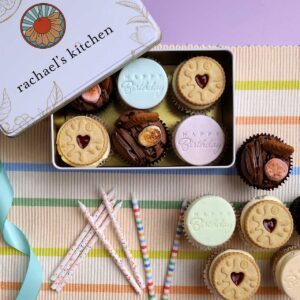

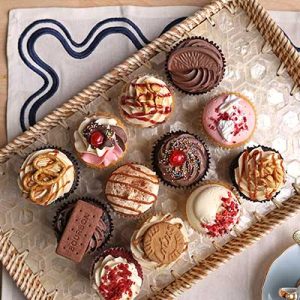


Mother’s Day cupcakes are a popular gift because they feel personal, celebratory, and easy to share. But if your mum, partner, or someone you’re celebrating follows a vegan diet, avoids gluten, or lives with food allergies, “a box of cupcakes” stops being a simple purchase. You may be wondering whether you can get vegan, gluten-free, or allergy-friendly Mother’s Day cupcakes delivered across the UK, without compromising on taste or safety.
The good news is that free-from baking has become far more accessible, and many bakeries now offer recipes and production processes designed to remove specific ingredients. The more complicated news is that labels like “vegan”, “gluten-free” , and “allergy-friendly” can mean different things in practice, and they do not automatically guarantee suitability for every individual. Some people need strict allergen exclusion; others are comfortable with products made in shared kitchens; and for coeliac disease, gluten thresholds and cross-contamination controls matter as much as the recipe itself.
This guide explains what these terms typically mean in UK cupcake sales, how to evaluate allergen information and cross-contamination risk, what delivery can change for free-from cupcakes, and how to choose safely for the recipient. It is designed to help you make an informed decision before you place an order.
What “vegan, “gluten-free” and “allergy-friendly” mean in UK cupcake sales and labelling
In the UK, food businesses must provide clear information about allergens. The key reference point is the list of 14 allergens that must be declared when they are ingredients, which include cereals containing gluten (such as wheat, barley, and rye), milk, eggs, peanuts, tree nuts, soya, and sesame. For cupcakes, the most common allergens in conventional recipes are wheat (gluten), eggs, milk, and sometimes nuts or soya in chocolate, spreads, or decorations.
“Vegan” typically means the cupcakes are made without animal-derived ingredients, so no eggs, dairy, honey, or gelatine. It does not automatically mean the product is free from allergens. Vegan recipes often include soya (for example, in plant-based chocolate or margarine), nuts (as flour alternatives or flavourings), and sometimes gluten (if wheat flour is used). Vegan also does not guarantee that the cupcakes were produced in a dedicated vegan environment, so cross-contact with milk or egg can still be possible unless the bakery has specific controls.
“Gluten-free” has a more defined meaning than many people realise. Gluten-free baking replaces wheat flour with gluten-free flours or blends, but safe suitability for someone with coeliac disease depends on the total gluten content and on preventing cross-contamination. Some businesses use wheat-free recipes but produce in shared kitchens. Others follow strict procedures, separate equipment, and supplier checks. When you see gluten-free claims, you should still look for additional context such as “made in a gluten-free environment” versus “made in a kitchen that handles gluten”.
“Allergy-friendly” is not a legally standardised term. It usually signals that the bakery can accommodate certain exclusions, such as nut-free recipes, dairy-free buttercream, or egg-free sponge. However, it may also mean “we can’t guarantee it, but we try”. In practice, “allergy-friendly” should prompt you to read the allergen statement, ask what is excluded, and confirm whether the risk of cross-contact has been assessed.
Because cupcakes have multiple components, sponge, filling, buttercream, decorations, toppers, sprinkles, chocolates, and edible images, labelling and communication should cover the whole product, not only the cake base.
How to assess allergens, cross-contamination risk and suitability for the recipient
Start with the recipient’s needs, not with a label. “Gluten-free” for a preference is different from gluten-free for coeliac disease, and “nut-free” for dislike is different from nut-free for anaphylaxis risk. If you can, ask the recipient what they avoid and how strict they need it to be. If it is a surprise gift, check with someone close to them, or choose a safer alternative such as a non-food gift if you cannot confirm.
Next, gather the full allergen and ingredient information. A suitable bakery should provide an allergen list for each cupcake flavour and decoration, including fillings and toppers. Look for clarity on the 14 allergens and whether “may contain” statements apply. If the product is customised, you need confirmation that the specific final design matches the allergen information. For example, a gluten-free cupcake can become unsuitable if it is topped with a biscuit crumb, certain sprinkles, or a chocolate decoration processed with wheat.
Cross-contamination, often called cross-contact, is the hidden issue. Even if a cupcake is baked without milk, egg, wheat, or nuts, it can pick up traces from shared mixers, baking trays, piping nozzles, worktops, storage areas, or airborne flour. Ask practical questions such as whether separate utensils are used, whether there is a scheduled production run for free-from items, whether ingredients are stored separately, and whether staff follow a documented cleaning process between batches. Clear, confident answers matter more than vague assurances.
For gluten specifically, check what “gluten-free” means in their process. Do they use certified gluten-free flour? Do they avoid gluten ingredients entirely when making the batch? Is it produced in a dedicated area? If the recipient has coeliac disease, the safest option is typically a bakery with robust controls and clear statements about their environment, rather than a general bakery that occasionally makes gluten-free items.
For allergies like nuts, assess ingredients beyond obvious nut pieces. Nut traces can appear in praline, marzipan, certain chocolates, flavour pastes, and even in “natural flavouring” depending on the supplier. Also consider sesame, which can be present in some toppings, and soya, common in chocolate and plant-based alternatives.
Finally, consider suitability beyond allergens. Some people also avoid alcohol-based flavourings, certain colourings, or gelatine in decorations. Vegan cupcakes should also use vegan-friendly sprinkles and edible toppers, since some decorations contain shellac or non-vegan colourants. If you are ordering personalised Mother’s Day cupcakes, confirm that the printing inks and edible image sheets align with vegan requirements if relevant.
Delivery considerations for free-from cupcakes: packaging, transit time and temperature control
Delivery adds a separate layer of risk and quality control, especially for free-from cupcakes. The recipe might be suitable, but poor transit conditions can affect texture, appearance, and food safety. This matters because some free-from bakes behave differently from standard cupcakes. Gluten-free sponges can dry out faster, vegan buttercreams can be more temperature-sensitive depending on the fats used, and dairy-free fillings can split or soften if warmed.
Packaging is the first line of defence. Cupcakes should be placed in a sturdy box with inserts that stop movement and prevent icing from smearing. For allergy management, packaging should also reduce the chance of accidental contact with other products during dispatch. Ideally, the cupcakes are sealed or at least boxed in a way that prevents exposure to crumbs or residue from other bakes. If the bakery dispatches multiple product types, ask whether free-from boxes are packed separately and clearly labelled.
Transit time is crucial for freshness. Cupcakes are best when consumed within a short window, and free-from versions may have slightly different shelf lives. If you are sending cupcakes within the UK, choose a delivery option that aligns with the date you want them received, and consider whether the recipient will be home. A missed delivery can mean the box sits in a depot or van longer than intended, potentially affecting buttercream and any perishable components. If there is a nominated safe place, think about temperature and pests, and whether leaving the box outside is appropriate.
Temperature control matters most in warmer months or in heated indoor spaces. Buttercream can soften, slide, or lose definition if warm; chocolate decorations can bloom or melt; and some fillings may become unstable. A bakery may use insulation, ice packs, or selection of stable frosting styles for delivery. Ask whether the design you want is appropriate for travel. Sometimes a simpler buttercream finish holds up better than tall swirls with heavy toppers.
Allergen integrity during delivery is often overlooked. Even if the cupcakes are made with good controls, mixing up labels at packing is a real-world risk. Look for clear external labelling that identifies the free-from claim and lists allergens. On arrival, the recipient should be able to read the allergen information without needing to contact the bakery. If your gift is going to a workplace or shared household, individually labelled cupcakes can reduce the chance of mix-ups.
Finally, storage instructions should be practical. Free-from cupcakes may need room temperature storage to preserve sponge softness, or refrigeration to protect certain frostings. The instructions should say how long they last and whether to bring to room temperature before eating for best texture.
FAQs
Can I safely send vegan cupcakes to someone with a milk or egg allergy?
Vegan cupcakes are made without milk and eggs as ingredients, so they can be a good starting point for someone avoiding those allergens. However, vegan does not automatically mean allergy-safe. Many vegan cupcakes are produced in kitchens that also handle milk and eggs, and cross-contact can occur through shared equipment, surfaces, or storage. In addition, vegan recipes often include other allergens such as soya, nuts, or gluten, which may also be relevant to the recipient. The safest approach is to treat “vegan” as a recipe description and still ask for the full allergen statement and an explanation of cross-contamination controls. If the recipient has a severe allergy, you should confirm whether the bakery can realistically meet that level of risk management before ordering.
Are gluten-free cupcakes safe for someone with coeliac disease?
Sometimes, but it depends on how the cupcakes are made and handled. Gluten-free ingredients are only part of the picture. For coeliac disease, small amounts of gluten from cross-contamination can be harmful, even if the recipe contains no wheat flour. Key details include whether the bakery uses certified gluten-free ingredients, how they prevent contact with gluten-containing flour in the air, whether equipment is dedicated or thoroughly sanitised, and whether the cupcakes are baked and decorated in a controlled area. You should also check that toppings, sprinkles, fillings, and edible decorations are gluten-free, since these can reintroduce gluten. If the bakery cannot provide clear process information, a “gluten-free option” may be better suited to gluten avoidance by preference rather than medical need.
What does “allergy-friendly” mean when ordering cupcakes for delivery in the UK?
“Allergy-friendly” usually indicates that a bakery is aware of allergen concerns and may offer recipes without certain ingredients, such as dairy-free buttercream or nut-free flavours. However, it is not a regulated term with a single defined standard. One bakery may use it to mean “made without nuts but produced in a kitchen that handles nuts”; another may have stricter separation. When you are ordering for delivery you should look for specific, written information: a list of allergens present, any “may contain” statements, and notes on whether the product is made in a shared environment. If the recipient has a serious allergy, ask direct questions about cross-contact controls, staff training, and whether they can label your box clearly to prevent mix-ups on arrival.
How can I check whether Mother’s Day cupcake decorations are free from allergens?
Cupcake decorations are often where allergens sneak in. Sprinkles can contain wheat starch, milk derivatives, or traces from shared production lines. Chocolate pieces can contain milk, soya lecithin, or may contain nuts. Biscuit crumbs and wafer toppers are frequently wheat-based. Even edible images and inks may have ingredients that matter for vegan recipients, and some colourings or glazes can contain non-vegan components. To check, ask for the allergen and ingredient information for the entire finished cupcake, not just the sponge. Request details for each decoration type used in your design, including personalised toppers, and confirm that any substitutions are documented. Clear labelling inside the box is helpful so the recipient can identify which cupcakes match their dietary needs without guesswork.
What delivery choices help free-from cupcakes arrive in good condition?
To protect free-from cupcakes in transit, prioritise a delivery option that minimises time in the network and avoids unnecessary waiting. Choose a date when the recipient will be available, or arrange a safe handover to avoid the box sitting in a warm area. Ask whether the cupcakes are packed with inserts that prevent movement, and whether the frosting style is suitable for travel. If temperature is a concern, check whether the bakery uses insulation or recommends a particular storage method on arrival. Also ensure the box is clearly labelled with allergens and storage instructions, so the recipient can act quickly. Good delivery planning helps preserve both appearance and texture, which can be especially important for gluten-free sponges and dairy-free frostings.
Conclusion
You can get vegan, gluten-free, and allergy-friendly Mother’s Day cupcakes delivered across the UK, but the safest and most satisfying choice comes from understanding what these labels do and do not guarantee. “Vegan” describes the absence of animal-derived ingredients, not necessarily the absence of allergens or cross-contact risk. “Gluten-free” is meaningful, yet it still requires careful handling, especially if the recipient has coeliac disease. “Allergy-friendly” is a helpful signal, but it should lead you to ask for specifics: full allergen lists, details of kitchen practices, and clarity about “may contain” statements.
The practical steps are consistent across all free-from gifting. Confirm the recipient’s needs and how strict they must be. Review ingredients for every component of the cupcake, including fillings and decorations. Ask direct questions about cross-contamination controls and labelling. Then consider delivery realities: sturdy packaging, transit time, temperature exposure, and clear storage instructions on arrival.
If you want to explore personalised cupcake gifting with free-from options, including UK wide delivery, explore more throughout the Rachael’s Kitchen website.