




Easter gifting in the UK often lands in one of three familiar camps: cupcakes, chocolate eggs, or flowers. Each feels traditional, each can be delivered, and each can be made to look “special” with the right presentation. Yet the best choice depends on what you want the gift to do. Is it meant to be shared with a household, enjoyed at a workplace, posted as a surprise, or given to someone with dietary needs? Are you aiming for a centrepiece, a quick treat, or something that lasts longer than the long weekend?
Practicality matters more at Easter than many people expect. Delivery slots fill up, temperature changes can affect chocolate, and spring flowers vary in freshness depending on the supply chain. Cost is also less straightforward than it first appears. A cheap chocolate egg can be disappointing if it arrives cracked, while a more “premium” option can be mostly packaging. Similarly, flowers can look impressive but may come with care requirements that not everyone enjoys.
This article compares cupcakes, chocolate eggs and flowers in a clear, buyer-focused way, with particular attention to expectations around labelling, allergens and delivery. The aim is to help you choose an Easter gift that suits the recipient, the setting, and the realities of sending something perishable in spring.
Comparing cupcakes, chocolate eggs and flowers: practicality, cost and suitability
Cupcakes, chocolate eggs and flowers can all make a strong Easter gift, but they behave very differently in real life. The “best” option depends on the setting, the recipient, and the level of certainty you need around delivery timing and presentation.
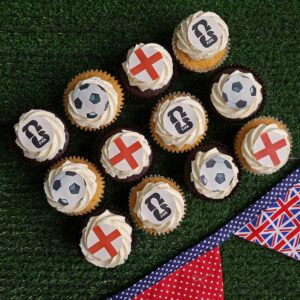
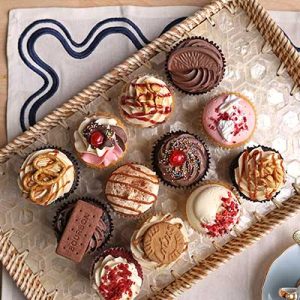
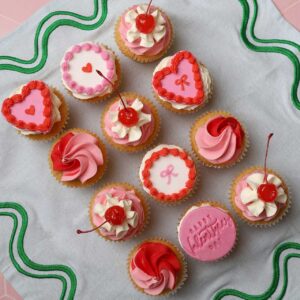
Cupcakes are a ready-to-serve food gift. Their biggest practical advantage is shareability. A box can be split across a household, offered at a small gathering, or brought into an office kitchen with minimal effort. They also allow for personalisation, which matters at Easter when you might be gifting to multiple people and want each gift to feel considered. The trade-off is freshness. Cupcakes have a relatively short window where they taste their best, and they can be vulnerable to being knocked about in transit if packaging is not sturdy. If you need a gift that can sit around for days, cupcakes are less ideal than chocolate.
Chocolate eggs are the classic choice because they store well and feel unmistakably seasonal. They can also be cost-effective at the lower end, although value varies widely. Packaging can inflate the apparent size and price, and delicate chocolate can crack if handled roughly. Temperature is the other issue. A warm spell, a heated delivery van, or being left by a radiator can cause bloom or melting. Still, as a “low-risk” gift in terms of shelf life, chocolate is hard to beat.
Flowers are a non-edible alternative that suits recipients who are hard to buy for, or situations where you do not want to send food. They deliver immediate visual impact and can brighten a home for a week or more. They are also useful when you want a gift that feels more like a gesture than a treat. The downside is unpredictability. Flower quality depends on the supply chain and the recipient’s willingness to trim stems, change water and place them appropriately. Some households have pets, and certain flowers can be problematic if animals chew them.
Cost and suitability often hinge on hidden extras. Cupcakes may include customisation, careful packaging and delivery, which increases price but can also increase certainty about how the gift will arrive. Chocolate varies from inexpensive to very premium, but you may pay for branding more than taste. Flowers can look generous, but a bouquet that arrives smaller than expected can feel disappointing. If you want maximum personal impact per pound, a personalised edible gift often wins. If you want something that does not rely on the recipient eating it, flowers can be the safest emotional choice.
Dietary needs, allergens and “free from” claims: what buyers should check
Easter gifting becomes complicated when dietary needs are involved, and in the UK, it is increasingly common to buy for someone who avoids certain ingredients for allergy, intolerance, religious observance or preference. Cupcakes, chocolate eggs and even some floral gifts can carry risks, so a careful check helps you choose confidently.
For cupcakes, the main allergens to consider are gluten (wheat), milk, eggs, soya and nuts, plus sesame in some recipes. Decorations can introduce extra allergens, such as chocolate pieces containing milk or soya lecithin, sprinkles with wheat starch, or nut-based flavourings. If you are buying “free from” cupcakes, look beyond the headline claim. Check whether the product is made in a dedicated environment or alongside allergens, and whether the seller describes cross-contamination controls. For someone with a diagnosed allergy, “may contain” statements and shared-kitchen warnings matter a lot. If the information is vague or hard to obtain, it is safer to choose a different gift.
Chocolate eggs are often simpler in ingredient structure, but they frequently include milk and soya, and may be produced in facilities handling nuts. Filled eggs can add gluten-containing inclusions like biscuit pieces. “Vegan” does not automatically mean nut-free, and “dairy free” does not automatically mean safe for severe milk allergy if manufacturing is shared. If you are gifting to someone with allergies, choose products with clear allergen labelling and avoid “mystery” assortments where individual items are not separately labelled.
Flowers can still raise concerns. Some households avoid strongly scented blooms due to sensitivities, and pollen-heavy varieties can irritate hay fever. Additionally, lilies are widely considered high-risk for cats. While this is not a food-law issue, it is still part of gifting responsibly. If you do not know the recipient’s situation, choosing low-pollen, lightly scented arrangements can reduce the chance of discomfort.
Be cautious with wellness-style language. Terms like “clean,” “guilt-free,” or “healthy” are not the same as safety. What matters is traceable information: ingredients, allergens, handling practices, and realistic storage guidance. For Easter gifting, the best approach is to match the gift to the recipient’s needs rather than trying to “make it work” with a product that was not designed for their diet.
FAQs
Are cupcakes a better Easter gift than chocolate eggs for families?
Cupcakes can be a stronger family gift when you want something that feels shareable and a bit more like an occasion. A box naturally divides into portions, and different flavours or designs can suit different ages. They also work well for Easter weekend get-togethers because they are ready to serve and do not require extra preparation. Chocolate eggs are still excellent for families, particularly because they store well and can be enjoyed over a longer period, which is useful when children receive multiple gifts. The main question is timing. If the family will be home to receive a delivery and likely to eat the gift within a couple of days, cupcakes can feel more special. If you want maximum flexibility and shelf life, chocolate is usually safer.
How do I choose an Easter gift for someone with allergies?
Start by identifying what the person must avoid and how strict it is. For severe allergies, cross-contamination matters as much as the ingredients themselves. Choose gifts with clear, accessible allergen information and avoid sellers who cannot explain their processes. With cupcakes and other baked goods, check for declarations covering gluten, milk, eggs, nuts and sesame, plus any “may contain” statements. For chocolate eggs, look for full ingredient lists and facility warnings, especially around nuts and milk. If you cannot be confident about food safety, consider a non-food option such as flowers, but still think about sensitivities like strong fragrance or pollen. When in doubt, asking the recipient what is safest is often better than surprising them with something they cannot eat.
Do flowers last longer than edible gifts, and does that make them better?
Flowers generally last longer than cupcakes and can outlast many chocolate gifts in terms of visible impact. A bouquet can brighten a room for several days, sometimes longer with good care. That longevity can make flowers feel like better value if the recipient enjoys arranging and maintaining them. However, “better” depends on what the recipient likes. Some people see flowers as work because they need trimming, clean water and a suitable vase. Others may have pets or allergies that make certain flowers impractical. Edible gifts are different: they are time-limited but deliver enjoyment quickly and can be shared. If you want a gift that sits beautifully on display, flowers are a strong choice. If you want something that creates a moment of tasting and sharing, cupcakes or chocolate may suit better.
What should I check to make sure an Easter gift will arrive in good condition?
Delivery condition depends on packaging, timing and weather. For cupcakes, look for sturdy packaging that prevents movement and protects decoration. Check dispatch dates and whether delivery is tracked, and aim for arrival close to when the recipient will be home so the box is not left outside. For chocolate eggs, consider temperature risk. In mild spring weather it is usually fine, but it can still be affected by heat in transit or indoor storage near radiators. Robust outer packaging also helps reduce cracking. For flowers, check whether the seller uses protective sleeves and hydration packs, and read substitution policies because some stems may be replaced depending on availability. Across all gifts, ordering earlier for Easter week increases the chance of getting a preferred delivery slot.
Is it acceptable to send food gifts like cupcakes to workplaces at Easter?
Yes, but it helps to think about practicality and inclusion. Workplaces often have mixed dietary needs, so a single type of treat may exclude some people. If you are sending cupcakes to share, variety can help, but allergen information becomes even more important because colleagues may not know what is in each item. Ideally, the gift should come with clear ingredient and allergen details so people can decide safely. Consider how the gift will be received. If the workplace has a reception desk, confirm that perishables can be stored appropriately and are not left in a warm area. Chocolate eggs can work well for workplaces because of shelf life, while cupcakes create a more immediate “tea break” moment. Flowers suit offices too, but check whether there are fragrance sensitivities in shared spaces.
Conclusion
Cupcakes, chocolate eggs and flowers each make sense as Easter gifts in the UK, but they solve different problems. Chocolate eggs are the easiest “classic” option, with long shelf life and strong seasonal recognition, though they can be fragile and their value is not always obvious from the packaging. Flowers offer visual impact and a longer-lasting reminder of your gesture, yet freshness, scent sensitivity and pet safety can affect how well they land. Cupcakes sit in the middle: more perishable than chocolate but often more personal and shareable, with the ability to match designs and flavours to the recipient or occasion.
The best choice comes down to how the gift will be received and enjoyed. If you need flexibility and minimal effort for the recipient, chocolate is dependable. If you want a home-focused gift that brightens a space, flowers can be ideal. If you want something that feels tailored, celebratory and ready to serve, cupcakes are hard to beat, especially when you take dietary needs and allergen information seriously.
If you decide cupcakes are the right Easter gift, you can explore personalised and free from options with UK delivery at Rachael’s Kitchen.